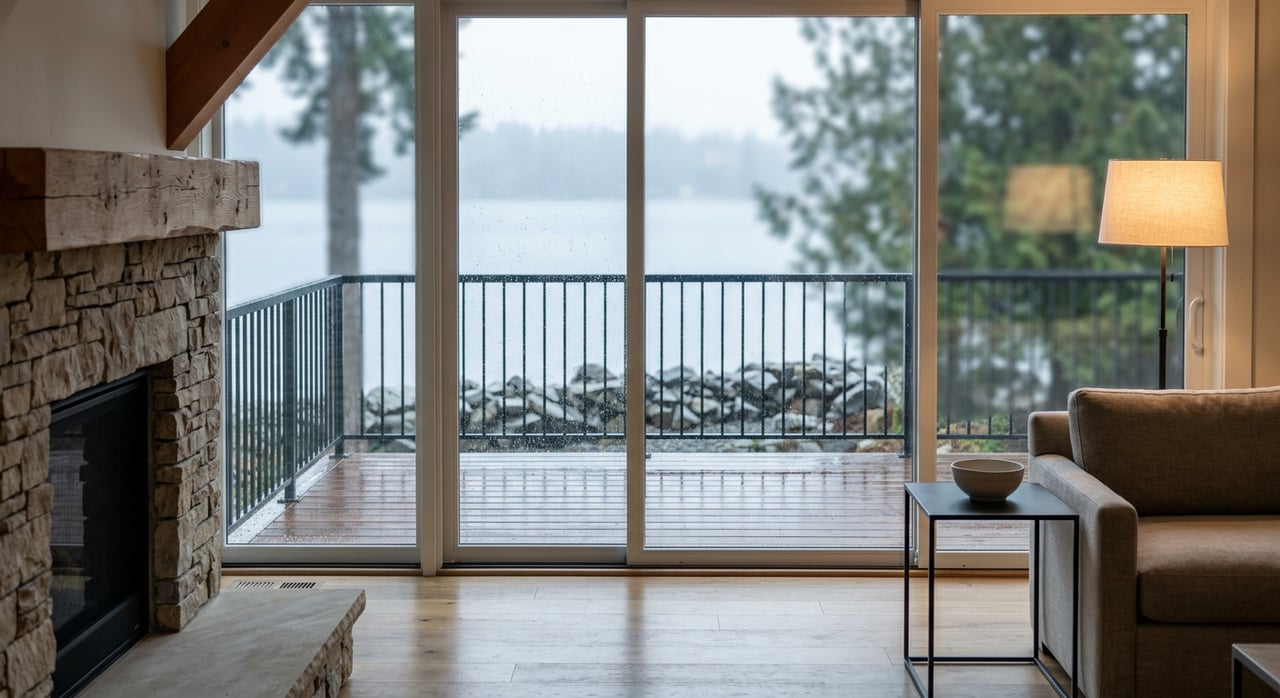
Salt air, sweeping views, and a private path to the water are easy to love. The fine print that comes with Olympia’s shorelines is less obvious. If you are eyeing Budd Inlet, Eld Inlet, or a nearby lake, the smartest move is to understand permits, tidal lines, docks, septic, and flood risk before you write an offer. This guide gives you a clear plan, credible resources, and a practical checklist so you can buy with confidence.
Let’s dive in.
Olympia waterfront snapshot
- Waterfront rules depend on location. Inside city limits, the City of Olympia’s shoreline rules apply; in unincorporated areas like much of Eld Inlet and many lakes, Thurston County rules apply. Review the applicable Shoreline Master Program and maps before you assume what is allowed. You can start with the county’s current SMP document and mapping guidance in the Shoreline Master Program.
- Dock, bulkhead, or in‑water work usually triggers multiple approvals. Expect a state fish‑habitat permit called an HPA, and sometimes federal and state aquatic‑lands reviews. Learn the basics on the WDFW Hydraulic Project Approval.
- Shellfish status changes. Before you count on harvesting, confirm the current beach classification on the Washington Department of Health shellfish map.
- Flood risk is dynamic on tidal parcels. Recent plan updates adjusted mapped exposures in parts of Thurston County. Review current flood maps and local planning context in the county’s Flood Hazard Mitigation Annual Report, and ask your lender if an elevation certificate is needed.
- Septic is common outside the sewered core. A documented, functioning system and recent inspection records matter for health compliance and most loans. See the county’s on‑site sewage program overview and updates in Thurston County’s OSS resources.
Where you buy shapes your plan
Budd Inlet context
Budd Inlet is Olympia’s urban embayment. Many neighborhoods are connected to regional sewer service through LOTT, the local clean‑water partnership. The area also has active stormwater and cleanup programs that support water quality, which can influence shoreline permitting and long‑term maintenance. To learn more about local wastewater and education programs, visit the LOTT Clean Water Alliance.
Eld Inlet and local lakes
Parts of Eld Inlet and nearby lakes feel more rural and often rely on septic systems. In these areas, county programs focus on septic maintenance and shellfish protection. Your due diligence should include septic inspection records and a plan for future maintenance or replacement space. The permitting path can differ from the city, so confirm whether the parcel is under city or county shoreline jurisdiction.
On‑site realities to evaluate
Shoreline condition and access
Start with the ground truth. Note bank slope, beach type, and any armoring such as bulkheads or riprap. Document existing access like stairs or paths and confirm they are permitted. Ask for a recent survey that locates the Ordinary High Water Mark, since the OHWM often sets the boundary for shoreline rules and permit triggers outlined in the Shoreline Master Program.
Eelgrass and forage‑fish habitat
Eelgrass beds and forage‑fish beaches are high‑value habitat. These features affect where and how you can place pilings, floats, or gangways, and they shape timing windows for construction. Expect your designer or biologist to follow state fish‑habitat guidance like the WDFW OHWM and HPA factsheet when proposing overwater structures.
Water quality and shellfish status
Shellfish classifications are not static. A beach may be open, conditionally approved, restricted, or prohibited, and status can change after storms or unusual events. Always verify the specific parcel’s current status using the WDOH interactive shellfish growing‑area map. Note that closures from bacteria are different from closures due to marine biotoxins; both can affect your ability to harvest.
Septic, sewer, and stormwater
If the property is on septic, collect the latest inspection and pumping records and confirm there is a designated reserve area. The county’s active oversight helps protect shellfish waters and public health, and documentation supports mortgage approvals. In city‑served areas, LOTT’s treatment infrastructure and municipal stormwater programs are key resources for understanding point‑source and runoff management in Budd Inlet.
Permits and approvals
Waterfront work often involves several layers of review. The right sequence and complete submittals can save you months.
Local shoreline permit
Olympia or Thurston County shoreline codes govern setbacks, overwater coverage, and repair thresholds. Depending on the scope, you may need a shoreline permit or qualify for an exemption, but the rules still apply. Start by reviewing the local standards in the current Shoreline Master Program.
WDFW HPA
Most work that changes the bed or flow of state waters needs a Hydraulic Project Approval. HPAs include fish‑protection conditions and seasonal work windows that can affect your schedule. Learn timelines and submittal expectations on the WDFW HPA page.
DNR aquatic lands and tidelands
Owning uplands does not always mean you own tidelands. If a dock or moorage would occupy state aquatic lands, you may need a DNR authorization or lease, and size limits for private recreational docks can apply. Review the state’s aquatic‑lands framework in WAC 332‑30 and confirm tideland ownership with a recent survey.
U.S. Army Corps of Engineers
If your project affects navigable waters or involves dredge or fill, the Corps may be involved. Nationwide permits help some small projects, but local conditions can still require notice. See how federal review works on the USACE Regulatory Program overview.
Tribal coordination and process tips
Treaty tribes in South Sound co‑manage nearshore resources. Early coordination is common for projects that touch shellfish habitat or access. Many applicants use a joint application approach, so ask your planner about using JARPA to streamline state and federal reviews.
Who to call first
- City of Olympia Planning or Thurston County CPED to confirm jurisdiction and shoreline permit steps.
- WDFW HPA intake to discuss whether your work needs an HPA and likely timing windows.
- Washington DNR Aquatic Lands to verify tideland ownership and whether a lease is needed.
- USACE Seattle District Regulatory Branch to determine if federal review applies.
Docks, moorage, and shared access
Before you plan a new dock or a replacement, verify who owns the tidelands in front of the property and where the OHWM lies. If state aquatic lands are involved, you may need a DNR authorization and must follow size and use limits for private recreational docks under WAC 332‑30. Expect your design to minimize shading and piling and to avoid eelgrass or forage‑fish habitat where possible.
For shared docks, confirm recorded easements and any MOA or HOA rules that divide construction and long‑term maintenance costs. If a structure sits partly on state aquatic lands, the upland owners typically remain responsible for upkeep under the terms of the authorizing document. Keep copies of all shoreline permits and approvals; lenders and appraisers will ask for them.
Flood, slope, and sea level planning
Tidal homes can face both inundation and wave action, and bluff sites add erosion or landslide risk. Thurston County’s recent flood‑hazard work highlights changing exposures and the need to check current mapping. Review current context in the Flood Hazard Mitigation Annual Report, then order the parcel’s FEMA FIRM panel. If the home lies in a Special Flood Hazard Area, most federally related loans will require flood insurance under NFIP rules. See lender requirements in the Interagency Q&A on Flood Insurance.
Lending, insurance, and appraisal
Flood insurance and your loan
If your property is in an SFHA, your lender will likely require flood insurance. Ask whether an elevation certificate is needed and whether mitigation like flood vents or elevation affects loan terms. This step helps you budget for premiums early.
Septic and mortgageability
Most lenders require proof of a working wastewater system. For septic‑served properties, plan on a recent inspection, pumping record, and confirmation of a reserve area. County programs emphasize maintenance and repairs in sensitive watersheds; keep documentation current using the county’s OSS management resources.
Appraisals and waterfront comparables
Waterfront comps can be limited. Appraisers weigh shoreline type, authorized moorage, condition and legal status of docks, and any flood‑hazard requirements. Be ready to share your permits and approvals to support value and to avoid closing delays.
Your pre‑offer checklist
- Title deed and any tideland language; recorded access or shared‑dock easements.
- Recent survey showing OHWM and any improvements crossing that line; include the surveyor’s letter if available.
- Copies of shoreline approvals to date: local shoreline permits or exemptions, WDFW HPA, any DNR authorization or lease, and USACE confirmations.
- Current WDOH shellfish growing‑area status for the specific beach and the date of the latest sampling.
- Septic inspection report, pumping and maintenance records, and confirmation of a reserve area or sewer connection details.
- FEMA FIRM/DFIRM panel and an elevation certificate if the parcel is in an SFHA; ask your lender if one will be required.
- Written evidence of DNR tideland ownership or a statement of no state‑owned tidelands affecting existing or proposed docks.
Key waterfront vocabulary
- OHWM (Ordinary High Water Mark): The field‑determined line that often marks where shoreline jurisdiction begins and where many permits are triggered.
- HPA (Hydraulic Project Approval): A WDFW authorization for work that affects the bed or flow of state waters, including docks, pilings, dredging, and bulkhead repair.
- DNR aquatic‑lands authorization: State permission or lease to use state‑owned tidelands or bedlands, with specific conditions for private recreational docks.
- SMP (Shoreline Master Program): The local plan and code that implement Washington’s Shoreline Management Act, setting designations, setbacks, and allowed uses.
- SFHA / NFIP: FEMA’s Special Flood Hazard Area and the National Flood Insurance Program. Properties in SFHAs typically require flood insurance for most mortgages.
The bottom line
Olympia’s waterfront is special, and every shoreline is unique. When you pair a beautiful setting with clear due diligence on permits, shellfish status, septic, docks, and flood risk, you protect your investment and your time. If you want a discreet, high‑touch path to the right waterfront home, we are here to help you navigate every step.
Request a private consultation with Morrison House Sotheby’s International Realty® to begin a focused search and a smart, risk‑aware plan.
FAQs
What permits do I need to replace a dock in Eld Inlet?
- You will likely need a local shoreline permit or exemption, a WDFW HPA, and possibly DNR and USACE reviews if the work occupies state aquatic lands or affects navigable waters.
How do I know if a beach is open for shellfishing near Olympia?
- Check the Washington Department of Health shellfish growing‑area map for the parcel’s current classification and note that status can change after storms or algae blooms.
Do Olympia waterfront homes require flood insurance?
- If the home is in a FEMA Special Flood Hazard Area, most federally related loans require flood insurance; ask your lender to confirm and whether an elevation certificate is needed.
What should I verify about a septic system before buying waterfront?
- Get a recent inspection, pumping and maintenance records, and proof of a reserve area or sewer connection options, since lenders and health rules require a functioning system.
Who owns the tidelands in front of a shoreline home?
- Ownership varies; many tidelands are state‑owned, so verify with a recent survey and confirm whether any DNR authorization or lease applies to existing or planned moorage.