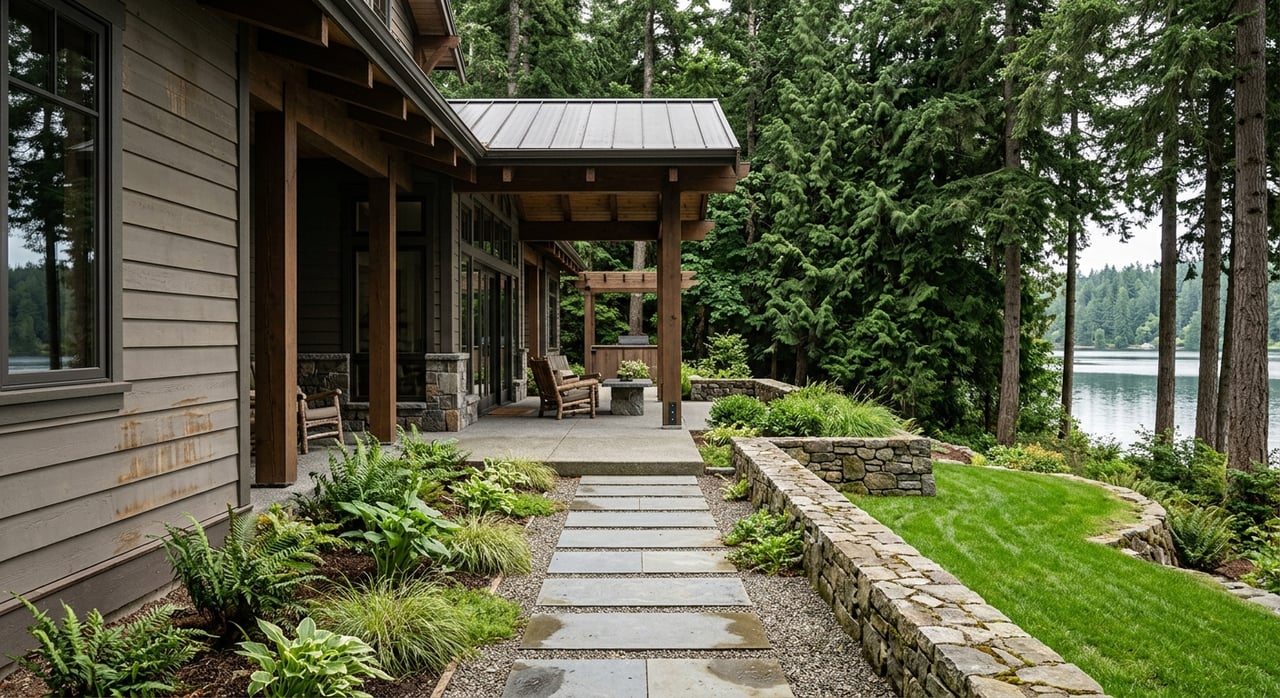
Selling a lakefront home in Lakewood can feel simple on the surface. Beautiful water, strong seasonal appeal, and a premium lifestyle story often do a lot of the heavy lifting. But in a market with more inventory and a steadier pace of sales, buyers tend to look closely at condition, documentation, and how well the property is presented. If you want to stand out, careful preparation matters. Let’s dive in.
Why prep matters in Lakewood
Lakewood’s market is active, but it is not moving on scarcity alone. According to Redfin’s Lakewood housing market data, homes averaged about one offer and sold in roughly 34 days in February 2026. At the county level, NWMLS reported that active listings in Pierce County were up 25% year over year, with 2.60 months of inventory.
For you as a seller, that creates a clear strategy. A lakefront home still commands attention, but buyers have enough options to compare details. The homes that tend to make the strongest impression are the ones that launch polished, documented, and ready for scrutiny.
Understand Lakewood shoreline rules
If your home sits on or near the water, shoreline rules should be part of your prep plan from the beginning. Lakewood’s shoreline jurisdiction includes American Lake, Gravelly Lake, Lake Louise, Lake Steilacoom, Waughop Lake, Chambers Creek, and Clover Creek, along with shorelands within 200 feet of the ordinary high-water mark, as outlined in the City of Lakewood Shoreline Master Program.
That matters because work near the shoreline is not always as simple as it seems. The city states that all development in shoreline jurisdiction is subject to the SMP, even when a substantial development permit is not required. In some cases, exempt work may still require a variance or conditional use permit.
Review past shoreline improvements
Before you list, take a close look at any prior work involving:
- Docks or piers
- Bulkheads or retaining features
- Grading or drainage changes
- Vegetation clearing or trimming
- Shoreline access paths
- Other bank or waterfront modifications
The practical goal is not to change the shoreline right before listing. It is to confirm that existing improvements are orderly, functional, and supported by records if permits or approvals were required.
Verify permits early
According to Washington State Department of Ecology, shoreline conditional use and variance permits require approval from both local government and Ecology, and some projects may require more than one permit. Because shoreline review can take time, it is wise to verify the permit history for waterfront improvements before your home goes live.
If you are planning repairs, finish them early enough that the property can be photographed and marketed after the work is complete and documented. Last-minute shoreline work can create delays and unwanted questions during buyer due diligence.
Build your disclosure file
For a premium lakefront sale, documentation can shape buyer confidence just as much as presentation. Washington law requires seller disclosures based on your actual knowledge, and if new information makes a disclosure inaccurate before closing, you must amend it, according to RCW 64.06.
A clean, organized property file helps you stay ahead of that process. It also makes the home feel well cared for and easier for buyers to evaluate.
Gather key records before listing
Create one file, digital or physical, that includes:
- Prior inspection findings
- Repair invoices and contractor receipts
- Appliance and system warranty information
- Owner manuals for major systems
- Permit records for updates or improvements
- Shoreline-related approvals, if applicable
This step is especially useful for waterfront homes, where buyers often ask detailed questions about shoreline features, drainage, maintenance, and past work. When answers are organized in advance, negotiations tend to feel more straightforward.
Consider a pre-list inspection
A pre-sale inspection is optional, but it can be a smart move when you want fewer surprises. The National Association of Realtors consumer guide notes that a pre-sale inspection may identify issues involving the structure, exterior, roof, plumbing, electrical, HVAC, interiors, insulation, fireplaces, and certain health-related concerns such as mold, radon, lead paint, or asbestos.
For a lakefront property, that early information can be especially valuable. Moisture exposure, exterior wear, drainage questions, and deferred maintenance often carry more weight when buyers are evaluating a home near the water.
Use inspection results strategically
A pre-list inspection does not mean you need to fix everything. It gives you a chance to decide what should be repaired, what should be disclosed, and how to price and market the home with clarity.
NAR also notes that estimating the cost of major repairs early can help you anticipate buyer negotiations. That can lead to a calmer launch and a more confident response when offers come in.
Focus on high-impact repairs
Once you know the home’s condition, prioritize repairs that support value and reduce buyer hesitation. In a market where buyers have options, unfinished maintenance can distract from even the most beautiful waterfront setting.
Start with items that affect function, safety, or visible upkeep. Roof issues, damaged siding, worn decking, deferred exterior paint, malfunctioning systems, and obvious plumbing or electrical problems often deserve attention first.
Avoid last-minute shoreline alterations
It can be tempting to make bold exterior changes before listing, especially around the water. But Lakewood’s SMP places rules on shoreline vegetation activity, bank work, bulkheads, and overwater structures. The city also emphasizes conserving native shoreline vegetation to help maintain ecological function, reduce erosion, and protect water quality, as described in the Shoreline Master Program.
In most cases, the better pre-sale move is thoughtful maintenance, not major alteration. Clean up, stabilize, document, and present what is already there rather than creating a new project right before market.
Prepare the home for staging
Staging helps buyers understand how the home lives, and that matters even more when a property has premium outdoor features or a strong relationship to the water. In NAR’s 2025 Profile of Home Staging, 83% of buyers’ agents said staging makes it easier for buyers to visualize a future home.
For lakefront sellers, the goal is not to fill the home with decor. It is to create calm, open spaces that let the setting lead.
Prioritize sightlines and scale
Focus your staging on the rooms that shape first impressions most strongly:
- Living room
- Primary bedroom
- Dining room
- Main outdoor living areas
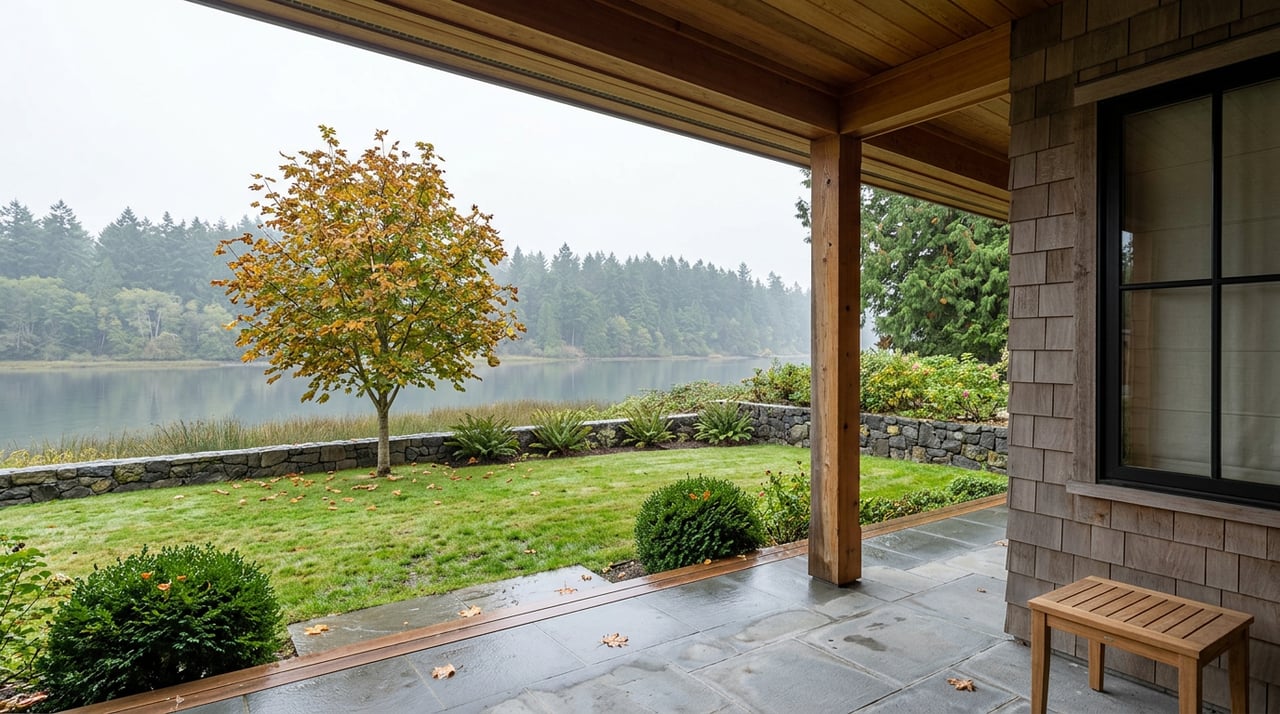
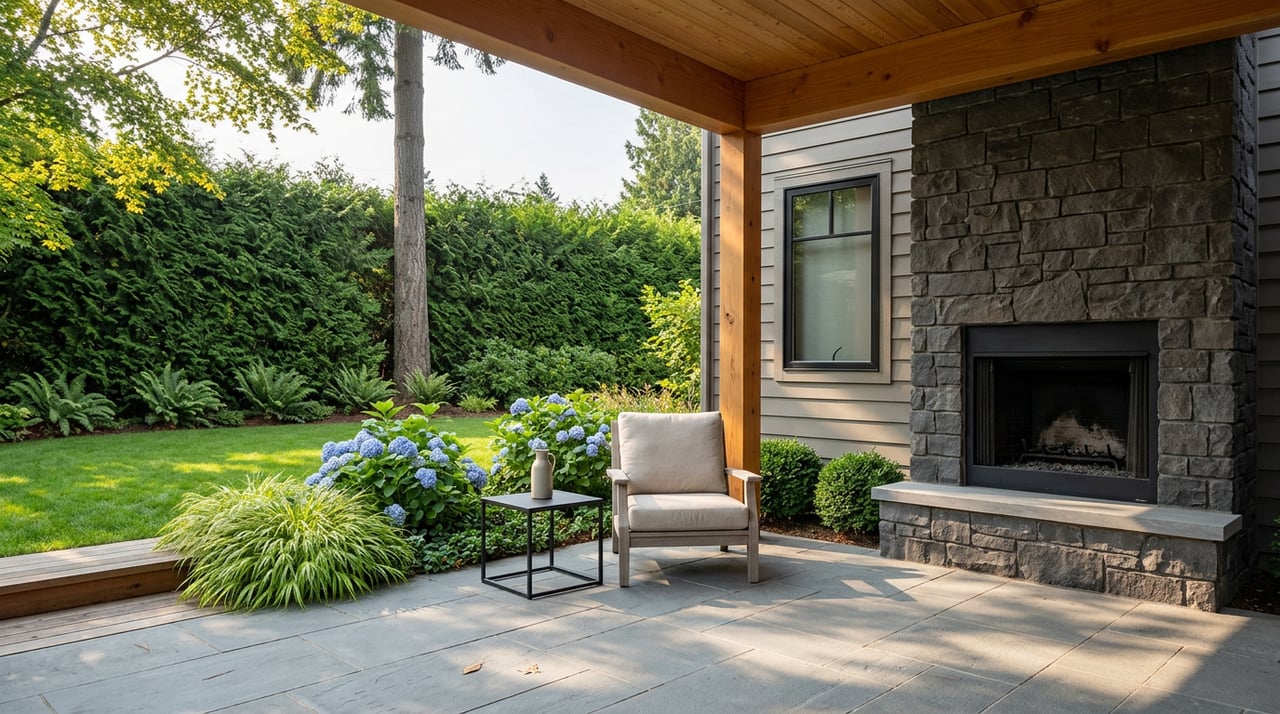
Keep furniture proportionate and simplify anything that blocks windows or interrupts a clear line to the view. On decks and patios, use minimal furnishings so buyers can easily understand the scale, orientation, and connection to the shoreline.
Clean for light and clarity
NAR’s seller guidance recommends cleaning windows, carpets, lighting fixtures, and walls, reducing clutter, and improving curb appeal. For a waterfront home, clean glass matters even more because it sharpens views and brings in natural light.
A few simple improvements can go a long way:
- Wash interior and exterior windows
- Refresh worn walls or trim with touch-up paint
- Remove excess furniture and personal items
- Neaten shoreline access areas
- Simplify dock, patio, or storage zones
Showcase the waterfront in photography
Once the home is repaired, cleaned, and staged, photography becomes one of your most important tools. NAR’s staging report found that buyers’ agents ranked photos, videos, and virtual tours as important listing assets.
For a Lakewood lakefront home, your media should tell a clear story about how the property lives on the water. That usually means highlighting principal rooms with views, outdoor entertaining areas, shoreline access, and the transition between indoor and outdoor spaces.
Time visuals for the season
Spring often gives waterfront homes their best visual advantage. According to Realtor.com’s 2026 best time to sell analysis, the Seattle-Tacoma-Bellevue metro’s best week to list was the week starting March 29, 2026, and its 2025 national analysis identified mid-April as a strong listing window.
That timing lines up well with the practical needs of a lakefront property. Spring tends to show water views, landscaping, and outdoor living areas at their most appealing, which can strengthen both photography and in-person showings.
Plan your launch around readiness
In a more competitive spring market, timing works best when it follows preparation. If your home reaches the market before the inspections, records, repairs, and staging are complete, you may miss the window when buyer attention is highest.
A stronger approach is to prepare first and launch once everything is aligned. That means your disclosures are current, your property file is organized, your visuals are complete, and the home presents as a finished offering rather than a work in progress.
Your pre-market checklist
Before your listing goes live, aim to complete these steps:
- Confirm whether the property falls within shoreline jurisdiction.
- Review permit history for shoreline and exterior improvements.
- Organize disclosures, receipts, manuals, and approvals.
- Consider a pre-list inspection and estimate repair costs.
- Complete high-impact repairs and routine maintenance.
- Stage key rooms and simplify outdoor living spaces.
- Capture professional photography, video, and virtual assets.
- Launch in a seasonal window that shows the home well.
Lakefront homes often carry both emotional and financial significance. When you prepare with care, you give buyers a better experience and give yourself a stronger position when interest turns into offers.
If you are planning a sale and want a thoughtful, discreet strategy for presenting your waterfront property, Morrison House Sotheby's International Realty® offers private consultation, refined marketing, and tailored guidance for distinctive homes across Pierce County.
FAQs
What should you fix before listing a Lakewood lakefront home?
- Focus first on visible maintenance, core systems, exterior condition, and any issues a buyer or inspector is likely to flag, especially items involving moisture, roofing, decking, plumbing, electrical, or shoreline-related upkeep.
Do shoreline improvements in Lakewood need permit review before a home sale?
- Some shoreline work may be subject to the City of Lakewood Shoreline Master Program even when a substantial development permit is not required, so it is wise to verify permit history for docks, bulkheads, grading, drainage, vegetation work, and similar improvements before listing.
Is a pre-list inspection worth it for a Lakewood waterfront property?
- It can be, because it helps you identify condition issues early, estimate repair costs, prepare disclosures, and reduce the chance of surprises during buyer negotiations.
When is the best time to list a lakefront home in the Tacoma-Lakewood area?
- Spring is generally the strongest window, and Realtor.com’s 2026 metro analysis identified the week starting March 29 as the best week to list in the Seattle-Tacoma-Bellevue area.
How should you stage a lakefront home in Lakewood for photos and showings?
- Keep rooms clean, bright, and uncluttered, prioritize open sightlines to the water, simplify decks and patios, and make sure windows, entry areas, and shoreline access points present clearly and neatly.