Are you drawn to the idea of waterfront living in Shelton, but unsure which stretch of shoreline actually fits the way you want to live? That hesitation is understandable. Shelton’s inlet neighborhoods may share the same broad map, yet they offer very different day-to-day experiences. If you are comparing convenience, boating access, privacy, beach usability, and long-term property considerations, this guide will help you sort through the differences with more clarity. Let’s dive in.
Shelton waterfront is varied
Shelton sits at the western end of Oakland Bay, and Mason County identifies it as the county seat and the only incorporated city in the county. That matters because the local shoreline is not one single lifestyle. The City of Shelton’s shoreline framework separates waterfront areas into working, residential, and conservation-oriented segments, which helps explain why two nearby properties can feel surprisingly different.
For you as a buyer, the better question is often not simply whether a home is waterfront. It is how that waterfront functions. In Shelton, use patterns often matter as much as the view itself.
Oakland Bay and Shelton Harbor
If you want to stay closest to town, Oakland Bay and Shelton Harbor are usually the most convenient shoreline pockets to consider. These areas place you nearer everyday errands, municipal services, and the main regional connectors of US 101 and SR 3.
That convenience comes with a more active waterfront context. The city treats Shelton Harbor as a working-waterfront area, and the Washington Department of Ecology notes that this harbor remains part of an active cleanup and habitat restoration effort tied to past industrial sediment contamination.
For some buyers, that town-adjacent setting is a strong advantage. You may value easier access to services and a more connected year-round lifestyle, especially if this will be a primary residence rather than a seasonal retreat.
What to know about Bayshore
Bayshore is a county-defined hamlet on Oakland Bay, and it offers a shoreline experience that can feel more accessible for casual beach use. The WDFW public beach in the area is open for shellfish harvest year-round except for marked closures, and WDFW notes that clamming there does not require an especially low tide.
That said, public shoreline access around Oakland Bay is not uniform. Some public beaches do not have upland entrance and can only be reached by boat, which is a good reminder that map location alone does not tell the full story.
Shorecrest and Hammersley Inlet
If your idea of waterfront living includes launching a small boat, paddling, or paying close attention to the tide cycle, Shorecrest and the Hammersley Inlet side may feel more aligned. This stretch reads less like a broad walk-on beach district and more like a recreation-oriented boating corridor.
Mason County’s park guide says Jacoby, also known as Shorecrest Park, includes a small boat launch with saltwater access to Hammersley Inlet. It also carries a low-tide advisory for launch and load, which tells you something important about daily use in this area.
On the Arcadia side, Walker Park offers beach access to Hammersley Inlet and is part of the Cascadia Marine Trail. The same county guide notes that shellfish harvest is not allowed there.
Why tides matter here
NOAA explains that tidal currents are the horizontal movement of water in bays and estuaries, and slack water is a normal part of the tide cycle. In practical terms, that means conditions can shift throughout the day in ways that affect launching, shoreline access, and how calm the water feels.
Mason County’s Oakland Bay action plan described Oakland Bay as mostly mud flats with narrow deeper channels. It also noted that Hammersley Inlet’s restrictive nature creates high refluxing, low flushing, and high retention. For you, that means one waterfront property may feel easy and flexible, while another nearby may require more planning around tide windows.
Kamilche, Totten, and Little Skookum
If privacy is the priority, Kamilche and the nearby Totten Inlet and Little Skookum areas tend to offer a more secluded setting. The Squaxin Island Tribe identifies its headquarters in Kamilche, between Little Skookum and Totten Inlets, placing this area within a distinct and recognizable part of Mason County’s shoreline geography.
These inlet pockets often appeal to buyers who want a stronger retreat atmosphere. The feeling is typically more removed from town, with a more regional character and a quieter waterfront rhythm.
Recent market snapshots cited in the research suggest buyers are often drawn here by features such as private beach access, launch privileges, deeper-water docking potential, and larger-lot properties. While inventory changes over time, that pattern helps frame what many buyers are looking for in this part of the county.
Harstine and Case Inlet access
Some buyers want more than a sheltered bay or narrow inlet. If you are looking for access that opens up the boating story, the Harstine edge and Case Inlet approach may deserve a closer look.
Mason County notes that Latimer’s Landing boat launch reaches Pickering Passage, Case Inlet, and South Puget Sound. That broader access can shift the feel of the area. Instead of a tucked-away bay experience, you may get a stronger sense of being connected to wider boating territory.
Lifestyle questions to ask first
Before you fall in love with a view, it helps to think about how you would actually use the property through the year. In Shelton’s waterfront neighborhoods, the most useful comparisons are often practical rather than purely scenic.
Ask yourself:
- Do you want a walk-on beach or is launch access enough?
- Would you rather be near town services or in a quieter retreat setting?
- Are you comfortable planning around low tide and changing launch conditions?
- Is shellfish use important to your lifestyle?
- Do you want sheltered water or broader boating access?
These questions can quickly narrow the right shoreline pocket for you. They also help explain why homes that look similar online can live very differently in person.
Water quality and septic matter
In Shelton, water quality is not a minor issue for waterfront buyers. Mason County’s 2024 Clean Water District report says the district covers the Oakland Bay, Case Inlet, Hood Canal, and Totten and Little Skookum watersheds, and it specifically mentions shoreline surveys in Oakland Bay shellfish areas and investigations involving deficient onsite septic systems near surface water.
That local oversight matters because Ecology identifies Oakland Bay as one of the most productive shellfish-growing areas in the country. When you are buying near shellfish waters, septic condition, stormwater patterns, and shoreline stewardship can carry real weight.
For you, this means due diligence should go beyond the house itself. Waterfront ownership often involves a closer look at how the site interacts with the bay, inlet, or shoreline environment around it.
Development rules can shape plans
Waterfront buyers often think first about views, beach access, or moorage potential. Just as important, however, is what may be allowed if you want to make changes later.
The Washington Shoreline Management Act requires local shoreline master programs, and Shelton’s program applies to shorelands and waters within city limits, including the 200-foot landward shoreline zone. Projects such as docks, bulkheads, grading, and other shoreline modifications may carry permit and design implications that affect timing, cost, and feasibility.
This is especially important if you are considering a property for long-term improvement or legacy ownership. A careful review of shoreline constraints can be just as valuable as a review of finishes, square footage, or frontage length.
What tends to support value
Shelton’s waterfront inventory is varied. Market snapshots referenced in the research show a mix that includes in-town cottages, ramblers, bay-view homes, waterfront cabins, multilevel beach homes, and larger custom properties on acreage.
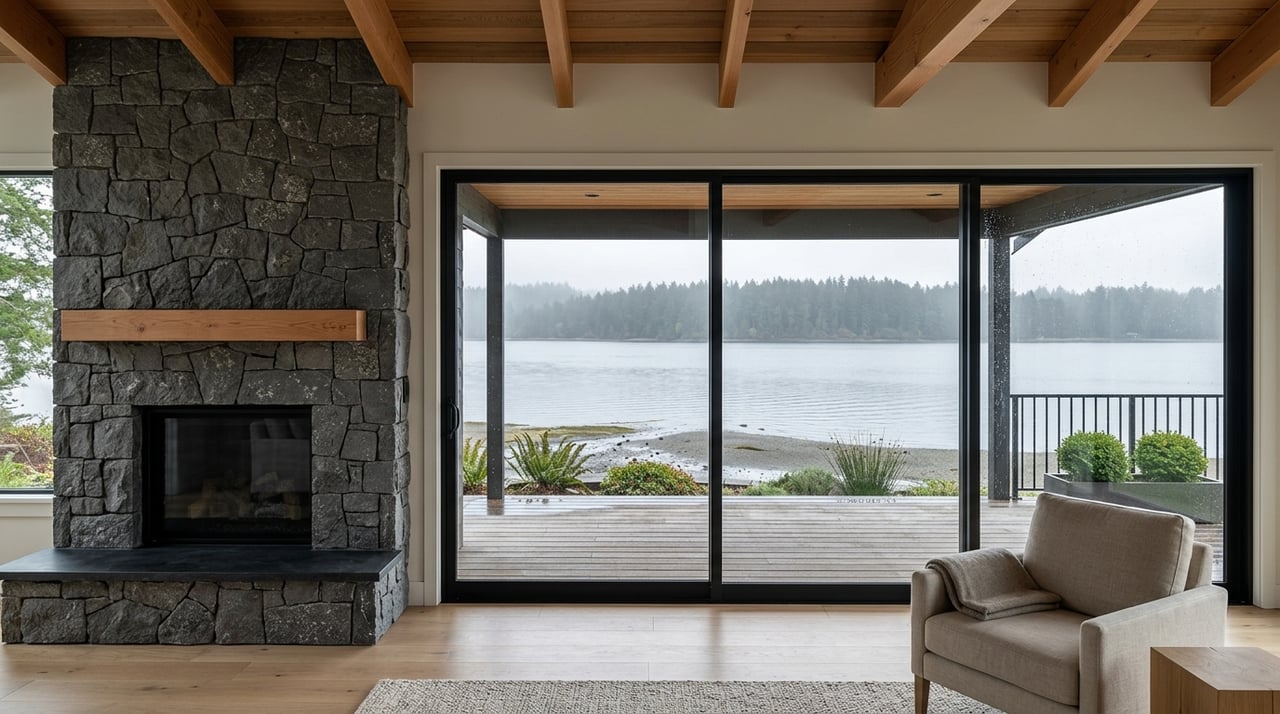
Certain features appear repeatedly in homes at the stronger end of their segment. These include western exposure, low-bank or medium-bank frontage, gravel beaches with fewer mudflats, private beach access, tidelands, and boat-launch or dock rights.
Why do those features matter so much? In many cases, they improve year-round usability rather than just appearance. A waterfront home that works well in different seasons and tide conditions may offer a more durable kind of appeal.
When value changes
The value conversation often shifts when a property is more tide-limited, sits on steeper banks, relies on boat-only access, or lies closer to industrial legacy areas. Even within the same general part of Shelton, those differences can change how a property feels and how buyers perceive its utility.
That is one reason Shelton’s waterfront deserves a block-by-block, inlet-by-inlet perspective. Similar map pins do not always mean similar ownership experiences.
Choosing the right Shelton waterfront fit
If you want the shortest version, think of Shelton’s waterfront this way. Oakland Bay and Shelton Harbor offer the most town convenience and some of the easiest public access points. Shorecrest and Arcadia lean more tide-sensitive and recreation-oriented. Kamilche and the nearby inlets feel more secluded and retreat-like. Harstine and Case Inlet access broaden the boating picture.
The right fit depends on how you want to spend your time there. Some buyers want a practical waterfront home close to services. Others want a quieter shoreline with more privacy, stronger launch potential, or a more expansive boating connection.
When you approach Shelton with those distinctions in mind, the search becomes much more focused. You move from chasing a generic idea of waterfront living to identifying the shoreline setting that truly supports your lifestyle.
If you are considering a waterfront purchase or preparing to position a distinctive shoreline property for sale, Morrison House Sotheby's International Realty® offers thoughtful, discreet guidance shaped by South Sound market knowledge and a refined approach to exceptional homes.
FAQs
What is the most convenient waterfront area near Shelton?
- Oakland Bay and Shelton Harbor are generally the most convenient because they are closest to town services, errands, and main regional road connections.
What should buyers know about tides in Shelton waterfront neighborhoods?
- Tides and currents can affect launch timing, beach usability, and water conditions, especially around Hammersley Inlet and other tide-sensitive shoreline pockets.
What makes Kamilche different from closer-in Shelton waterfront areas?
- Kamilche tends to feel more secluded and retreat-oriented, with buyers often looking for privacy, larger lots, and features like private beach access or launch privileges.
Why does water quality matter for Shelton waterfront homes?
- Mason County monitors shoreline and septic issues in local watersheds, and Oakland Bay’s shellfish importance makes septic condition and shoreline stewardship especially relevant.
Can you modify a waterfront property in Shelton later?
- Possibly, but shoreline improvements such as docks, bulkheads, and grading may be subject to local shoreline rules, permits, and design requirements.
What waterfront features often support stronger value in Shelton?
- Features that tend to stand out include lower-bank frontage, gravel beach areas, western exposure, private beach access, tidelands, and launch or dock rights.