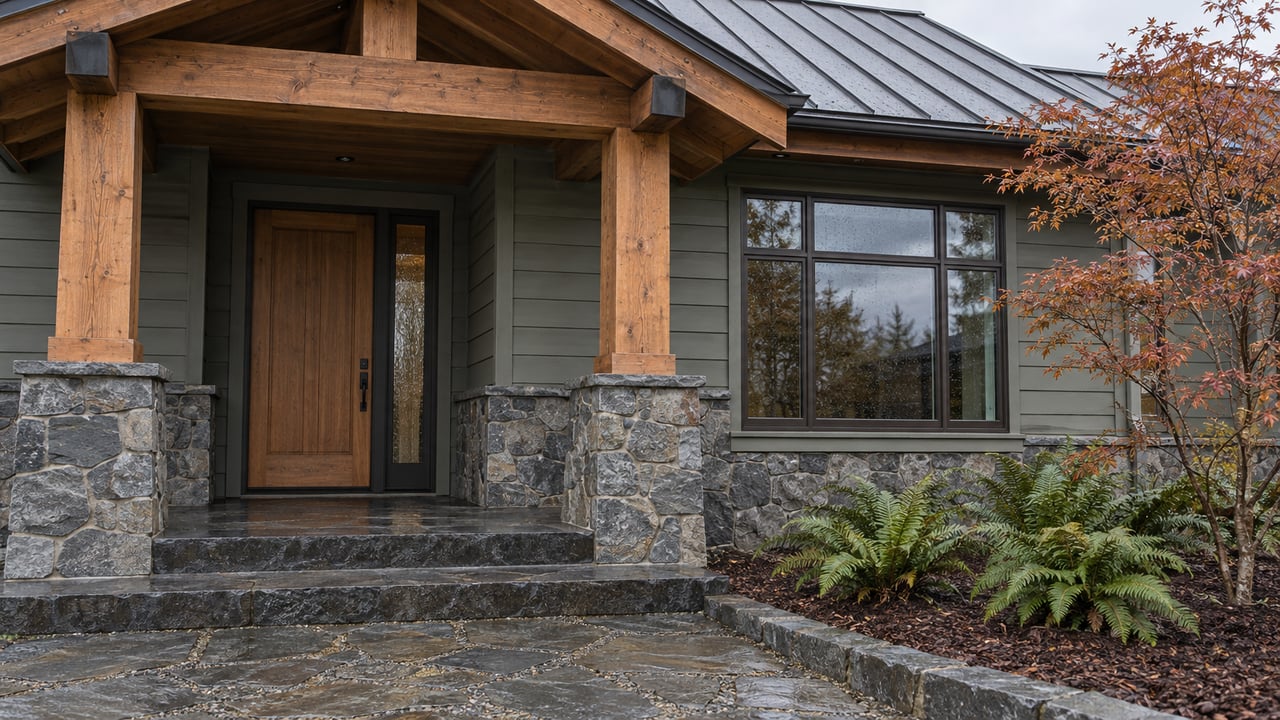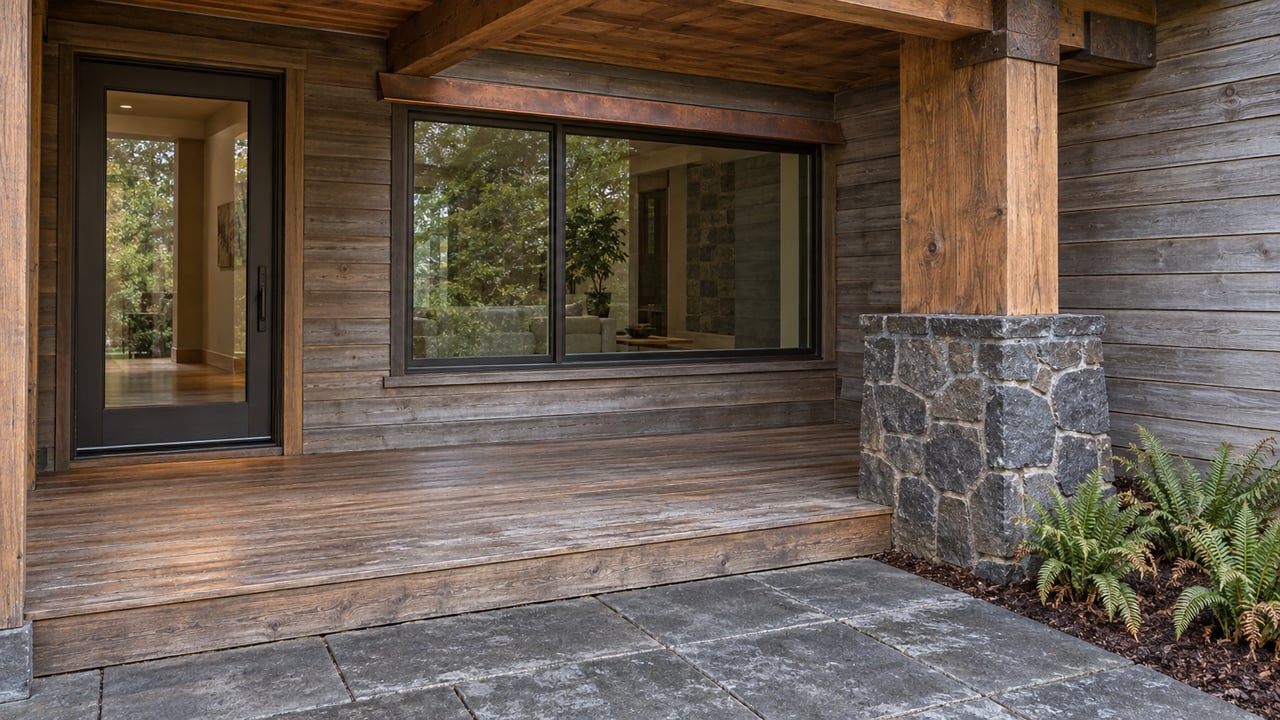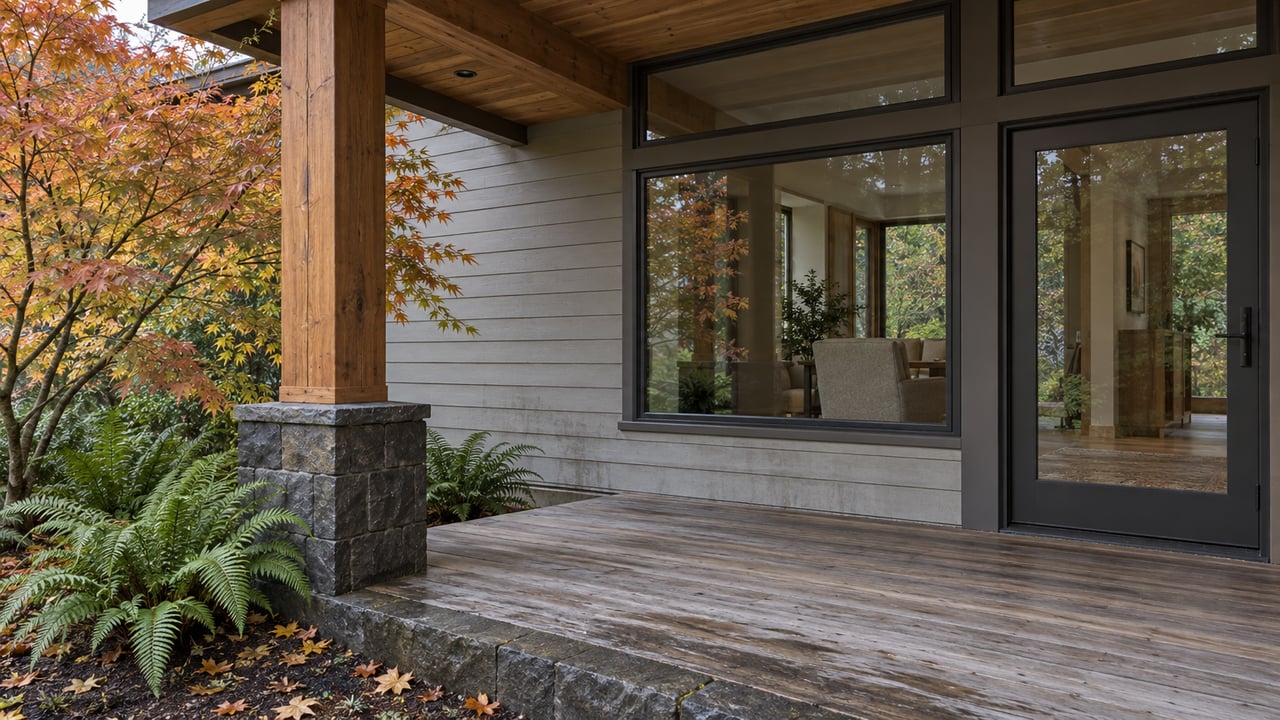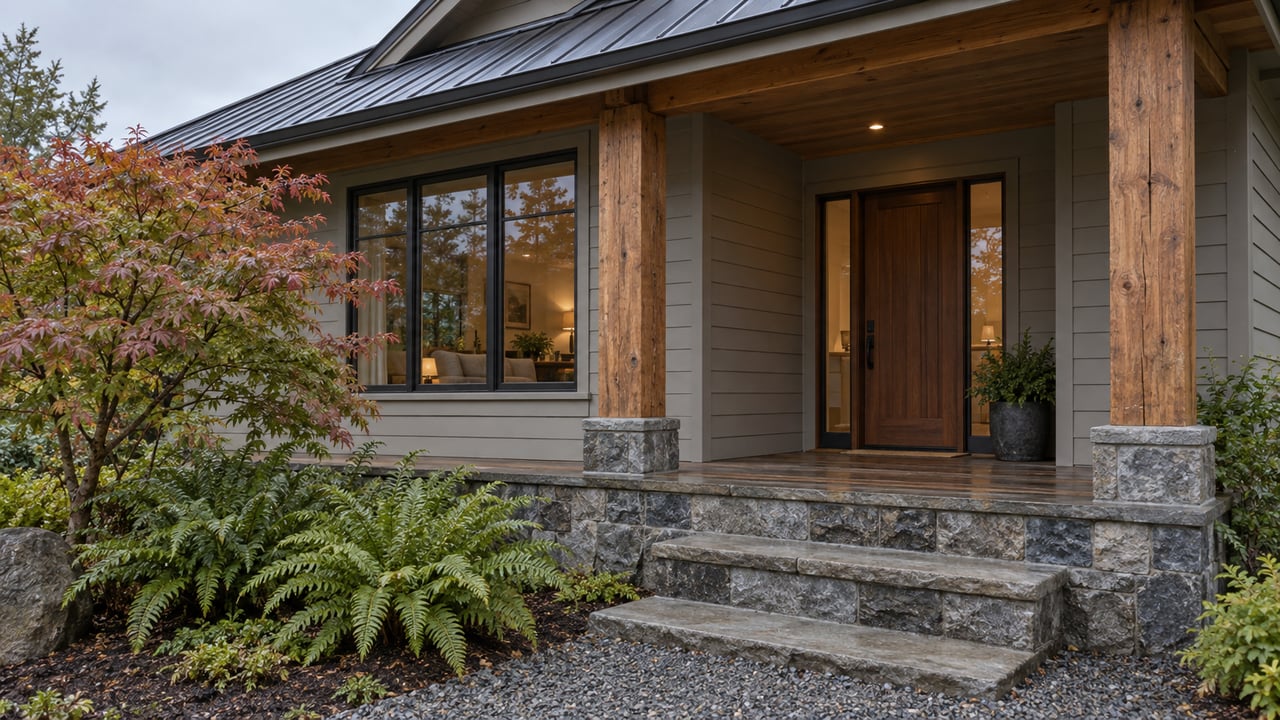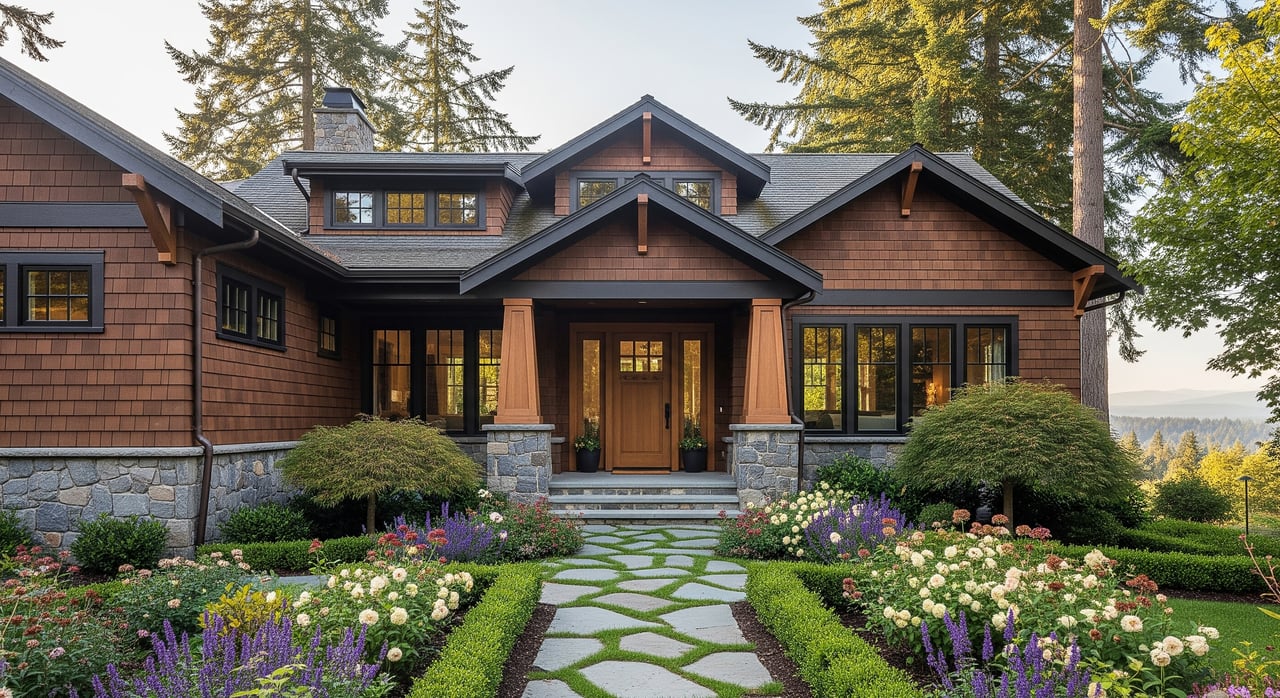
What if the style choices you make today could add strength to your eventual sale in North Tacoma? If you own or plan to buy in the North End, you know character and convenience both matter. You want to preserve charm without sacrificing livability, and you want confidence that your investments will resonate with buyers. This guide shows how architectural style affects resale here, which updates help or hurt, and how to position your home when it is time to sell. Let’s dive in.
North Tacoma style and buyer demand
North Tacoma’s neighborhoods prioritize authenticity, walkable amenities, and a strong sense of place. Buyers often respond to original woodwork, porches, millwork, and built-ins, especially when paired with updated systems and refreshed kitchens and baths. Views, green space, and indoor–outdoor flow also draw interest.
You will find strong enthusiasm for Craftsman and Victorian homes when the historic fabric is intact and the plan works for daily life. Midcentury homes and quality contemporary infill attract design-forward buyers who value light, open layouts, and energy performance. In short, character plus function tends to win.
What style means for resale
Style itself is not a fixed dollar adjustment. It influences value through scarcity, buyer demand, and how well the home meets modern expectations. Condition, layout, and mechanical systems often outweigh pure aesthetics.
Craftsman
Craftsman homes are highly desirable when details are intact. Original millwork, built-ins, exposed beams, and a welcoming front porch are value drivers. Updated kitchens and baths that respect the style tend to be rewarded.
- What helps: Restoring wood elements, preserving the porch, upgrading systems, and thoughtful kitchen reconfiguration.
- What to avoid: Removing built-ins, enclosing porches, or adding bulky additions that ignore scale.
Victorian and Queen Anne
Victorian homes can command premiums when ornamentation is preserved and utilities are modernized. Buyers love stained glass, decorative trim, and classic proportions, but they also expect safe, updated systems.
- What helps: Prioritizing mechanical upgrades, improving insulation, and sensitive kitchen updates that keep sightlines and trim intact.
- What to avoid: Gut remodels that erase character or leave awkward, impractical floor plans.
Midcentury Modern and Postwar
Design-conscious buyers prize midcentury clarity, indoor–outdoor connection, and original windows or profiles. Energy and comfort upgrades are important for acceptance.
- What helps: Respecting original geometry, upgrading HVAC and insulation, and using period-appropriate finishes.
- What to avoid: Partitioning open rooms or replacing windows in a way that disrupts sightlines.
Newer infill and Contemporary
Well-built contemporary homes appeal to buyers who want move-in-ready convenience, efficient systems, and open plans. Fit and finish, storage, and outdoor usability matter.
- What helps: Emphasizing quality construction, energy performance, and landscaping that fits the block.
- What to avoid: Inconsistent exterior scale or minimal yards that feel out of step with neighbors.
How appraisers and buyers evaluate style
Appraisal basics
Appraisers rely on comparable sales. Style matters when it influences the pool of comps and buyer demand. If your home has a rare or sought-after style, an appraiser will look for similar sales, then adjust for size, condition, and functionality. When style-specific comps are scarce, more qualitative analysis and documentation become important.
Buyer expectations
Most buyers weigh four things: authentic character, functional layout, overall condition, and systems and energy performance. Kitchens and baths are the highest-impact spaces. Thoughtful, style-appropriate updates generally outperform flashy or out-of-place finishes.
Renovation ROI
The strongest returns usually come from addressing structural and mechanical needs, improving energy performance, and updating kitchens and baths to market taste. Restoring original features can meaningfully boost marketability when done skillfully and documented. Very personalized changes or outsized additions often underperform.
Renovation choices that help value
Focus on upgrades that honor character and improve daily living.
- Prioritize safety and systems: electrical, plumbing, HVAC, roof, and foundation.
- Update kitchens and baths with finishes that complement the home’s era.
- Improve comfort: insulation and air sealing, balanced with preserving visible historic elements.
- Restore original features where feasible: woodwork, built-ins, porches, and stained glass.
- Document work and permits to support appraisal and buyer confidence.
If your home lies in a historic district, consult the local historic preservation office before exterior changes. Review or approval can be required for windows, siding, and porch alterations. Planning ahead avoids delays and protects value.
Marketing your home’s style
Pricing and presentation should meet the market where it is. Base value on location, functional size, and condition, then support any style premium with recent comparable sales.
- Staging: Use neutral furnishings that spotlight trim, built-ins, porches, and natural light. For midcentury, lean into clean lines and indoor–outdoor flow. For contemporary homes, highlight systems, storage, and modern finishes.
- Visual assets: Invest in photography that captures period detail and layout. Provide a floor plan and, when helpful, a virtual tour so buyers understand the flow.
- Audience: Historic homes resonate with preservation-minded buyers and neighborhood-oriented audiences. Midcentury and contemporary homes can be marketed to design-focused channels and buyers who prioritize efficiency and convenience.
Guidance for buyers seeking style-specific value
If you prefer historic character, prioritize homes with intact exterior and interior details, and budget for ongoing maintenance. Verify the condition of structure and systems to avoid surprises.
If you want modern convenience, newer construction may reduce near-term maintenance. In older homes, factor upgrades for heating, insulation, and windows into your budget and timeline.
For any older property, get a thorough inspection that covers structure, roof, drainage, pest, and energy performance. For midcentury homes, pay attention to original windows and insulation. For Victorians, plan for upkeep of decorative elements.
Historic districts and approvals
North Tacoma includes locally and nationally recognized historic districts. Exterior changes can require review or approval. Before you plan window replacements, porch work, or exterior cladding changes, check requirements and timelines. When done correctly, district protections can increase buyer confidence in neighborhood character while guiding compatible updates.
Putting it together
Style sets the stage, but condition and livability drive outcomes. In North Tacoma, authenticity paired with smart updates tends to perform best. Preserve what buyers love, modernize what daily life requires, and present your home with clarity and care.
If you are considering a sale or targeted renovation, connect for a private, style-savvy plan tailored to North Tacoma. Our boutique team pairs local expertise with global reach to position your home for a confident result. Request a private consultation with Morrison House Sotheby’s International Realty®.
FAQs
How does style affect resale in North Tacoma?
- Style influences value by shaping buyer demand and the pool of comparable sales. Authentic character plus modern function usually supports stronger results.
Which updates add the most value before selling?
- Address systems and safety first, then update kitchens and baths to market taste. Energy and comfort upgrades also help, especially when you preserve visible character.
Will modernizing a historic home reduce its appeal?
- Sensitive, style-appropriate updates usually help. Removing signature features or adding incongruent elements can harm marketability and price.
Do historic districts limit what I can change?
- Exterior work may require review. Many buyers see district status as a positive, since it helps preserve neighborhood character while guiding compatible updates.
How do appraisers handle rare architectural styles?
- Appraisers look for the closest comparable sales and may rely on qualitative adjustments when comps are scarce. Documentation of high-quality work and permits helps support value.