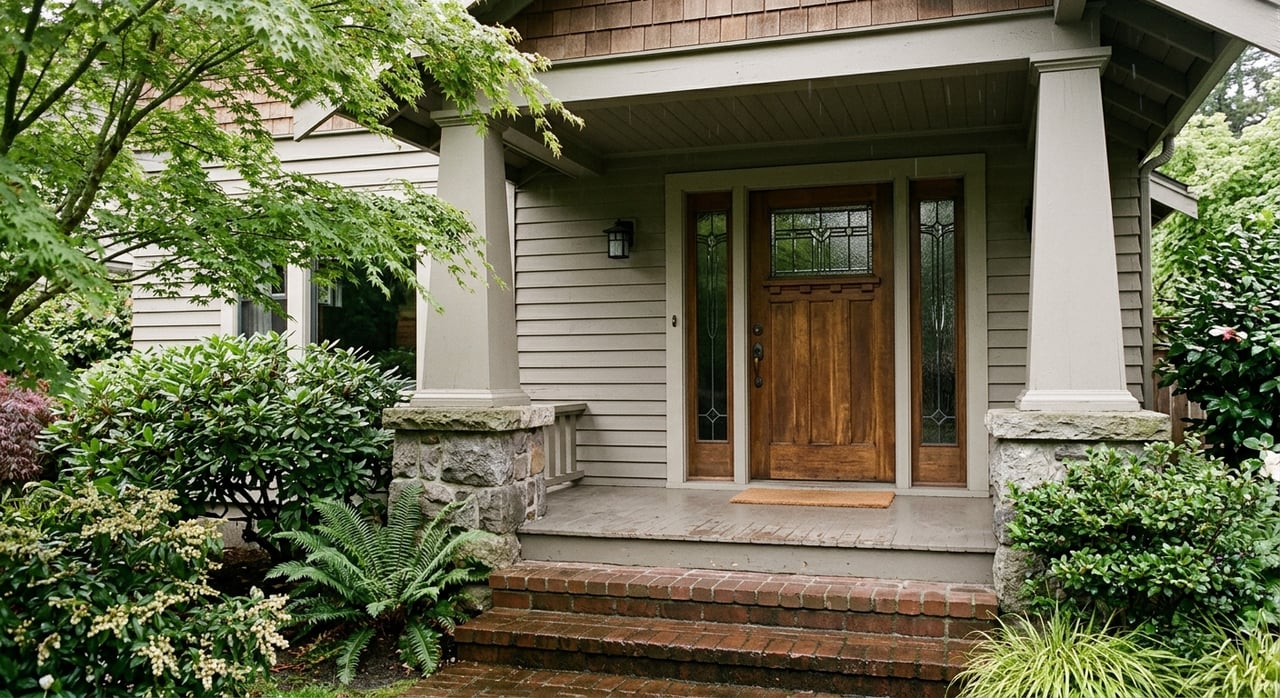
Looking at selling a character home in Olympia’s core neighborhoods? You are not just bringing a house to market. You are presenting a piece of local history, architecture, and neighborhood identity. When your home sits in places like Bigelow, South Capitol, Eastside, or near Olympia Avenue, the strongest marketing often starts with story, documentation, and thoughtful presentation. Let’s dive in.
Why story matters in Olympia
Olympia’s own preservation and planning materials make one thing clear: the city values historic buildings, distinct neighborhood identities, and a walkable downtown. That matters if you are selling a character home, because buyers are often responding to more than square footage or finishes.
In Olympia’s core neighborhoods, a home may be part of a larger civic story. It may reflect a specific architectural style, a known historic district, or a streetscape that buyers already recognize through local walking tours and preservation resources. That gives your listing a richer foundation than generic marketing language ever could.
Olympia neighborhoods with character
Bigelow offers early residential history
The Bigelow neighborhood is described by the neighborhood association as Olympia’s oldest neighborhood. It includes dozens of homes built before 1920, along with the Olympia Avenue Historic District.
For a seller, that means your home may already sit inside a well-documented local context. Marketing can draw on real neighborhood history, established district language, and recognizable architectural identity.
South Capitol brings architectural range
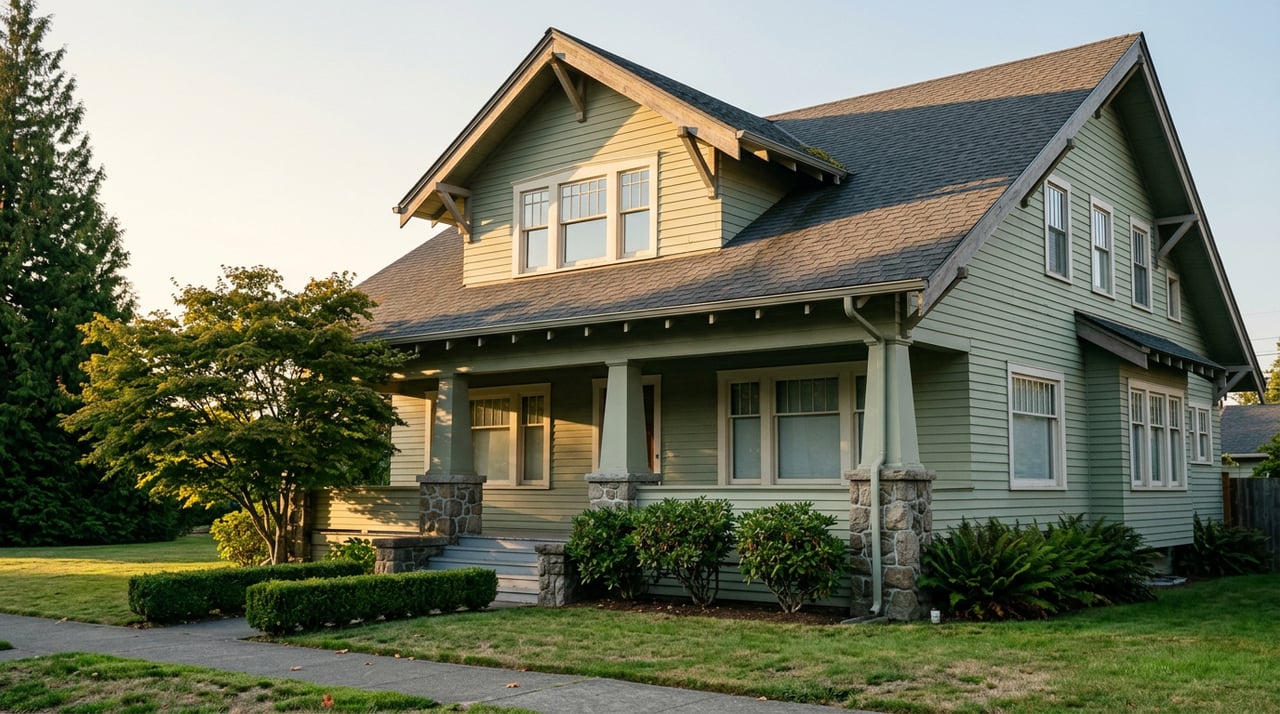
South Capitol stands out for its breadth of historic housing forms. Local walking-tour materials point to Queen Anne, Craftsman, and English Revival homes, along with residences designed by architect Joseph Wohleb.
If your home is in South Capitol, your marketing can often be more specific and more credible. Instead of calling the property simply “historic,” you can frame it through style, period, and craftsmanship.
Eastside supports provenance-rich listings
Eastside also offers strong local documentation. Olympia Historical Society materials highlight notable homes there, including Gothic Revival and Foursquare examples.
That kind of public record helps support a more detailed listing narrative. It can also help buyers understand that a home’s significance may come from both its architecture and its place in Olympia’s development.
Olympia Avenue adds district-level context
Olympia Avenue is especially useful in seller marketing because district records connect it to multiple layers of local history. Staff materials tie the area to the plywood industry, the Bigelow family, and Washington Supreme Court connections.
The district also includes a range of early styles such as saltbox, Pioneer, Queen Anne, Craftsman, and Tudor Cottage. For sellers, this provides a precise vocabulary that feels grounded and authentic.
Lead with architecture, not clichés
One of the biggest missed opportunities in marketing character homes is vague wording. Terms like “vintage charm” or “old-world feel” may sound pleasant, but they often do not say much.
Olympia’s historic resources give you a better path. If your home reflects a recognizable form such as Queen Anne, Bungalow, Craftsman, Foursquare, Tudor Cottage, or another documented style, that specificity helps your listing feel more credible and more memorable.
Features buyers notice first
When marketing a character home, focus on the details that define its identity:
- Rooflines and massing
- Porches and entry sequence
- Original windows
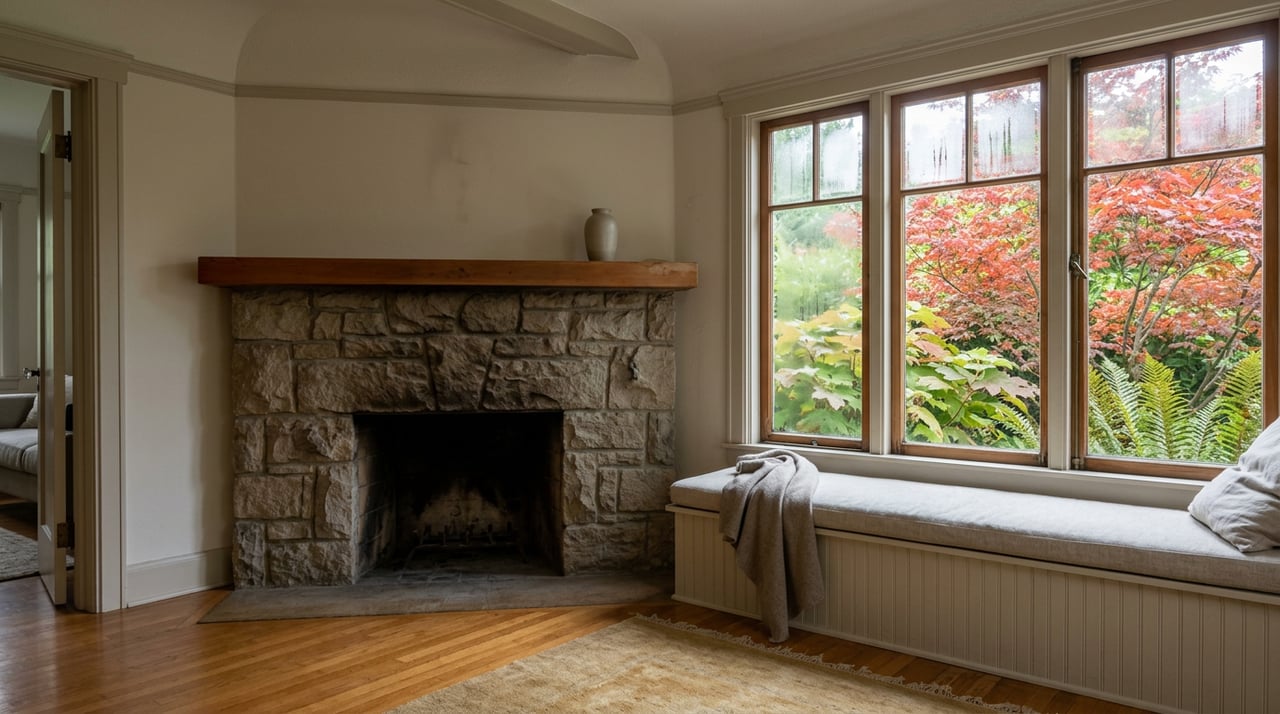
- Woodwork and millwork
- Built-ins
- Masonry details
- Site orientation
- Relationship to the street and surrounding homes
These are the features that often carry the visual and emotional weight of the property. They also align with how preservation standards think about historic character.
Understand designation before you market
Not every older home in Olympia is regulated the same way. That is one of the most important points a seller can understand before a listing goes live.
Olympia’s local designation framework turns on status. A home may be on a local register, in a historic district, in an inventory, listed at the state level, or none of the above. Each situation can affect how buyers interpret the property and what questions they ask.
Local designation matters most
Olympia’s Heritage Register criteria generally require a property to be at least 50 years old, unless it has exceptional importance. The property also needs to retain at least two integrity qualities, be well maintained, and meet significance criteria such as architecture, local history, or association with important events or people.
For sellers, the key takeaway is simple: age alone is not the whole story. Integrity and significance carry real weight in how a property is understood.
State listing is different
Washington’s Heritage Register is different from Olympia’s local review system. According to the Washington Department of Archaeology and Historic Preservation, state register listing is honorary and does not by itself restrict alterations made with private funds.
That distinction can be very useful in conversations with buyers. A home may have historic significance without being subject to the same level of local review as a city-designated property or district resource.
Build a strong provenance packet
If you want your listing to stand out, documentation matters. A well-prepared provenance packet can turn a beautiful home into a compelling and trusted offering.
Olympia’s preservation resources, local history tools, and Washington property records provide a strong starting point. The goal is to create a clear picture of when the home was built, how it evolved, and why it matters.
What to gather before listing
A useful provenance file often includes:
- Title and ownership history
- Assessor or tax records
- Original permits, if available
- Historic photographs
- Sanborn maps or historic plats
- Local heritage inventory files
- Oral-history notes from longtime owners or neighbors
This mix helps support the home’s timeline and narrative. It can also make your listing package feel more complete to serious buyers who care about architecture and stewardship.
Use local reference points
Olympia already has a public vocabulary for historic places. The city’s historic-preservation materials point residents to an interactive historic-properties map and neighborhood walking tours, while local history groups maintain maps, tours, and geographic resources.
For sellers, that means your listing does not need to invent a story from scratch. In many cases, it can connect the home to neighborhood patterns and recognized local history already familiar to buyers researching Olympia.
Prepare the home with integrity in mind
Before listing, it can be tempting to over-update an older property. In character-home marketing, that approach can backfire if it strips away the features that make the home special.
Olympia’s standards emphasize retaining historic character and avoiding exterior changes that adversely affect significant features. That suggests a more measured seller strategy.
What to prioritize before market
In most cases, the strongest prep plan focuses on:
- Repairing obvious defects
- Stabilizing and protecting original materials
- Addressing safety or function concerns
- Cleaning and presenting period details clearly
- Avoiding unnecessary replacement of significant visible features
This approach supports both presentation and credibility. It also helps preserve the home’s identity for buyers who are specifically seeking authenticity.
Write listing copy that feels local
The best marketing for Olympia character homes is often editorial rather than purely transactional. Buyers drawn to these properties may care about architecture, provenance, walkability, and the home’s relationship to downtown or the Capitol campus.
That does not mean the copy should become overly romantic or vague. It means your listing should connect the home to real local context in a polished, factual way.
Better angles for character-home marketing
Strong listing language often highlights:
- The home’s documented architectural style
- Surviving original features and craftsmanship
- The property’s place within a known neighborhood story
- Proximity to downtown, civic landmarks, and established streetscapes
- Thoughtful stewardship over time
This kind of presentation respects both the home and the buyer. It also aligns well with Olympia’s own emphasis on neighborhood identity and historic places.
Anticipate buyer questions early
Well-informed buyers of character homes usually ask practical questions. If you answer them clearly from the start, your marketing becomes more persuasive and less reactive.
In Olympia, the most common questions often relate to designation, review history, documentation, and prior rehabilitation work.
Questions to answer in advance
Before your listing launches, be ready to clarify:
- Whether the home is locally designated, state-designated, both, or neither
- Whether recent exterior work went through local heritage review
- Whether records support the construction date, architect, builder, or major alterations
- Whether any historic rehabilitation or special-valuation records exist
Clear answers build trust. They also help set expectations for buyers who value due diligence as much as design.
Why presentation still matters
Even the best history needs polished execution. Character homes benefit from visuals and messaging that feel composed, accurate, and elevated.
For a distinctive Olympia property, that often means photography that captures streetscape, exterior form, craftsmanship, and the flow of original rooms. It also means marketing that treats the home as a legacy property, not just another listing competing on amenities alone.
When your home has real provenance, refined presentation can help the right buyer understand its value faster. That is where thoughtful storytelling and disciplined marketing strategy work together.
If you are preparing to sell a historic or architecturally significant home in Olympia, the right representation should honor both the property’s story and your goals. For a discreet, editorial approach to exceptional homes, request a private consultation with Morrison House Sotheby's International Realty®.
FAQs
What makes a home a character home in Olympia?
- In Olympia, a character home is usually an older property with distinctive architectural features, visible period details, and a clear connection to neighborhood history or local development patterns.
Which Olympia neighborhoods are known for character homes?
- Bigelow, South Capitol, Eastside, and areas connected to Olympia Avenue are all supported by local history and preservation materials as places with notable older housing and strong neighborhood identity.
Does an older Olympia home automatically have historic protection?
- No. Olympia’s local designation status is the key factor, and not every older home is regulated in the same way.
What records help market a historic home in Olympia?
- Useful records often include title history, tax or assessor records, permits, historic photos, Sanborn maps, local heritage inventory files, and oral-history notes.
Is Washington Heritage Register listing the same as local Olympia designation?
- No. State listing is honorary, while Olympia’s local register and district review process are where most local preservation review questions arise.
How should you prepare an Olympia character home before listing?
- A sound approach is usually to repair defects, preserve visible original materials, address safety and function issues, and avoid unnecessary replacement of character-defining features.