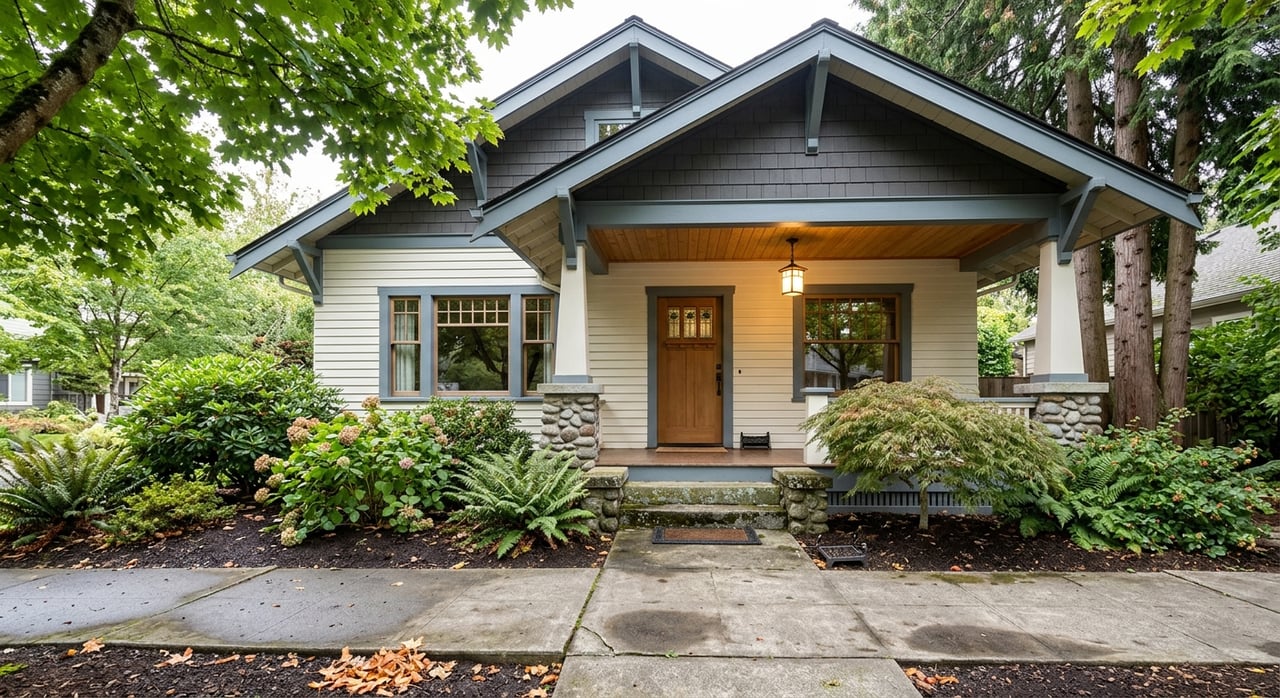
If you are drawn to old houses, North Tacoma offers more than a few beautiful facades. It gives you a way of living where preserved architecture, walkable business districts, and shoreline access shape your everyday routine. If you are wondering what it is really like to own, buy, or sell a historic home here, this guide will help you understand the neighborhoods, the lifestyle, and the preservation basics that matter most. Let’s dive in.
Why North Tacoma Feels Historic
North Tacoma’s historic appeal comes from a broader neighborhood pattern, not just a handful of standout homes. Tacoma’s historic preservation office notes that the city includes buildings dating from the 1870s through the 1970s, and many neighborhoods grew along streetcar lines. That history created a mix of vernacular homes, middle-class Victorian and Craftsman houses, and higher-style residences from the 1880s through the 1930s.
For you as a buyer or homeowner, that means North Tacoma often feels layered and lived-in rather than staged or theme-park historic. The architecture is woven into daily life, with homes, corner business districts, parks, and waterfront routes all close at hand. That balance is a big part of the neighborhood’s long-term appeal.
North Tacoma Neighborhoods to Know
North Slope
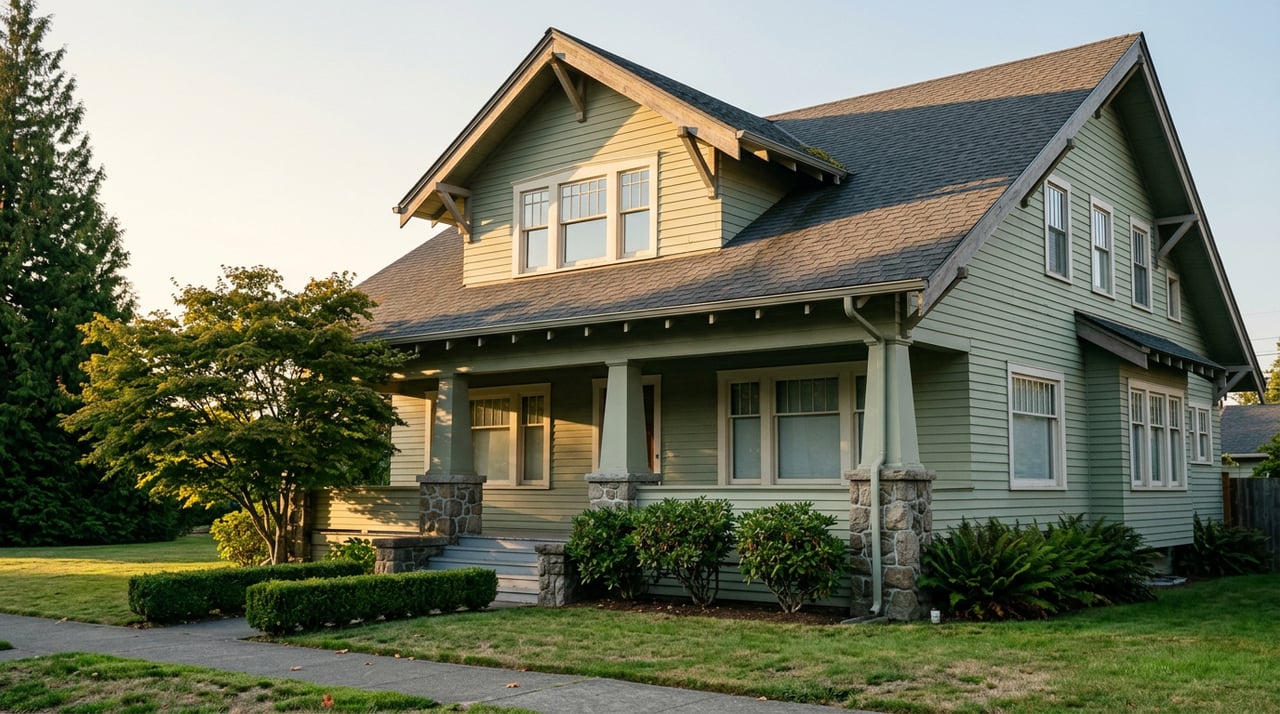
North Slope is one of Tacoma’s defining residential historic districts. The city says it includes more than 950 properties and is known for middle-class Victorian, Craftsman, Colonial Revival, and Foursquare homes. It was created because residents wanted to preserve the atmosphere these homes create.
If you love blocks with a strong architectural identity, North Slope is often the first place to look. It also reflects the practical side of preservation, since exterior projects that require building permits may also require design review in the district.
Stadium-Seminary
Stadium-Seminary is Tacoma’s high-style residential historic district. The city describes it as tree-lined, overlooking Puget Sound, and significant as one of Tacoma’s earliest residential neighborhoods with late-19th- and early-20th-century high-style homes.
For many buyers, the appeal here is the combination of visual presence and proximity. You get historic residential character with convenient access to nearby amenities, parks, and downtown-adjacent destinations.
The Wedge
The Wedge adds another layer to the North End story. Tacoma describes it as a pre-World War II middle-class neighborhood that now functions as a conservation district buffering the core historic district.
That distinction matters. A conservation district has fewer design review requirements than a local historic special review district, which may be important to you if you want historic character with somewhat different review expectations.
Old Town and Salmon Beach
Old Town brings waterfront history into the conversation. The city describes it as Tacoma’s birthplace, with historic charm and views over Commencement Bay, while Salmon Beach is a rare early-20th-century waterfront community of about 100 stilt houses at the base of a steep bluff.
These areas show how North Tacoma’s historic identity connects to the shoreline. If your vision of an older home includes both character and a strong sense of place, these pockets stand out.
Daily Life in North Tacoma
Historic homes are only part of the story. What often makes North Tacoma so appealing is how easy it is to connect that architectural character with daily errands, neighborhood routines, and time outdoors.
Proctor for Everyday Convenience
Proctor is one of Tacoma’s oldest business districts and one of North Tacoma’s strongest daily-use hubs. The city highlights its grocers, shops, eateries, and the Proctor Farmers’ Market, which runs from March through November.
The Proctor neighborhood plan also emphasizes pedestrian safety, human-scale design, outdoor community space, and preservation of the urban tree canopy. For you, that translates into a district that supports regular routines, not just occasional outings.
Stadium District for Parks and Services
The Stadium District sits just north of downtown and gives North Tacoma residents easy access to Wright Park, Seymour Botanical Conservatory, and longtime neighborhood businesses. Wright Park itself is a 27-acre arboretum with more than 600 trees, plus a sprayground and the conservatory.
This gives the area a useful mix of urban access and green space. If you want an older home without giving up everyday convenience, that balance can be a major advantage.
Old Town on Foot
Old Town offers another small-scale walkable pocket. The city describes artisan shops, dining, and waterfront-oriented businesses that make it easy to spend time there without planning a full day around it.
That kind of walkable rhythm supports the lived-in appeal of historic neighborhoods. You are not just admiring old houses from a distance. You are moving through a place that still works in the present.
Walking as Part of the Experience
Tacoma’s historic preservation office offers self-guided walking tours for North Slope and the Wedge. That is a useful signal that these neighborhoods are meant to be experienced slowly, on foot, with attention to streetscape and detail.
For buyers, walking the area can reveal a lot more than photos ever will. For sellers, it underscores why the setting around a home is often part of the property’s value story.
Waterfront Access Is Part of Daily Life
In North Tacoma, the shoreline is not only a weekend attraction. The public spaces along the water are integrated into the area’s normal recreation pattern, which can shape how you spend mornings, evenings, and in-between moments.
Ruston Way and the Waterwalk
Parks Tacoma describes Ruston Way as a two-mile scenic waterfront with panoramic views of Commencement Bay, used for walking, jogging, rollerblading, and fishing. The shoreline also includes smaller parks and water access points.
The Ruston Way Waterwalk extends that experience with a nearly mile-long public path along the bay near Point Ruston. It connects to the Ruston Way sidewalk, Dune Peninsula, Wilson Way, and Point Defiance Park, creating a more continuous recreation corridor.
Point Defiance Park Nearby
Point Defiance Park gives North Tacoma residents access to a large outdoor destination close to home. Parks Tacoma calls it a 760-acre treasure and notes trails, beaches, forest, Owen Beach, Five Mile Drive, the zoo and aquarium, Fort Nisqually, the marina, gardens, and an off-leash dog park.
That scale matters. If you live in a historic part of North Tacoma, you can pair neighborhood texture with a major outdoor escape that is part of regular life, not just a special trip.
Smaller Shoreline Spots Count Too
Jack Hyde Park in Old Town adds another layer of shoreline access, with beach access, picnicking, a trail, and views of Puget Sound and the Olympic Mountains. These smaller places often become part of your weekly routine because they are easy to fit into a normal day.
Tacoma is also advancing the Schuster Parkway Trail, a shared-use path that will connect Downtown Tacoma to Ruston and Point Defiance. Over time, that strengthens the area’s recreation-friendly connections beyond car travel alone.
What to Know About Owning a Historic Home
If you are considering a historic home in North Tacoma, it helps to separate atmosphere from regulation. The charm is real, but so are the rules that may apply depending on where the property is located.
Historic District Rules
Tacoma says local historic districts are adopted as overlay zones. They add rules on top of the underlying zoning, but they do not regulate property use.
The city also notes that state or federal historic listing alone does not restrict private owners, apart from demolition review. That is an important distinction if you are comparing homes with different types of historic status.
Exterior Changes May Need Review
In North Slope, exterior changes that require building permits also require design review. The city specifically lists work involving windows, siding, additions, chimneys, porches, and decks.
The review process uses district-specific guidelines and the Secretary of the Interior’s Standards for Rehabilitation. In practical terms, if you are planning improvements, it is wise to understand review expectations early.
Interior Work Is Often Different
For many buyers, one of the first questions is how much renovation freedom they will have. Tacoma’s preservation guidance indicates that interior work is generally separate from historic review, while many exterior projects in local historic districts do require review.
That distinction can affect your planning, budget, and timeline. It is especially important if you are buying a house for both its character and its future potential.
Preservation Incentives to Understand
Owning an older home can involve meaningful investment, and Washington does offer preservation-related incentives in certain cases. These programs are not automatic, but they are worth understanding if you are considering a substantial rehabilitation project.
Washington’s special tax valuation can reduce the property tax impact of a qualifying rehabilitation for 10 years if the project meets program standards. According to the Washington State Department of Archaeology & Historic Preservation, the threshold is rehabilitation costs equal to at least 25% of the building’s assessed value within a 24-month period before application.
The same state source notes that the federal historic tax credit provides a 20% credit for certified rehabilitation of National Register-listed historic buildings. If you are evaluating a major restoration, these programs may become part of the bigger financial picture.
Why This Matters for Buyers and Sellers
For buyers, North Tacoma’s historic homes offer more than period details. They offer proximity to business districts like Proctor and Old Town, access to established parks and shoreline routes, and a neighborhood pattern that feels grounded in everyday use.
For sellers, that means the value story is often about context as much as architecture. A historic home here is not simply an older structure. It may also offer walkable routines, access to the waterfront, and a connection to one of Tacoma’s most established residential settings.
Tacoma’s preservation program dates to 1973, and the city says the Tacoma Register now includes more than 190 properties, sites, and places, along with six local historic and conservation districts. That long-standing preservation framework reinforces the staying power of North Tacoma’s historic identity.
If you are considering a purchase, preparing a sale, or weighing how to position a distinctive older property, nuanced local guidance matters. For tailored advice on North Tacoma’s historic and architecturally significant homes, request a private consultation with Morrison House Sotheby's International Realty®.
FAQs
Which North Tacoma neighborhoods feel the most historic?
- The strongest historic reference points are North Slope, Stadium-Seminary, the Wedge, Old Town, and Salmon Beach.
Is North Tacoma walkable for daily errands and outings?
- Proctor and Old Town are the clearest walkable business nodes, while the Stadium area adds access to parks, neighborhood services, and nearby destinations.
Do North Tacoma historic homes have renovation restrictions?
- In local historic districts, many exterior changes that require permits also require design review, while interior work is generally separate from historic review.
Is the waterfront really part of daily life in North Tacoma?
- Yes. Ruston Way, the Waterwalk, Jack Hyde Park, and Point Defiance Park all support regular walking, recreation, and shoreline access.
Are there tax incentives for restoring a historic home in Tacoma?
- Washington’s special tax valuation and the federal historic tax credit may apply to qualifying rehabilitation projects, depending on the property and project details.