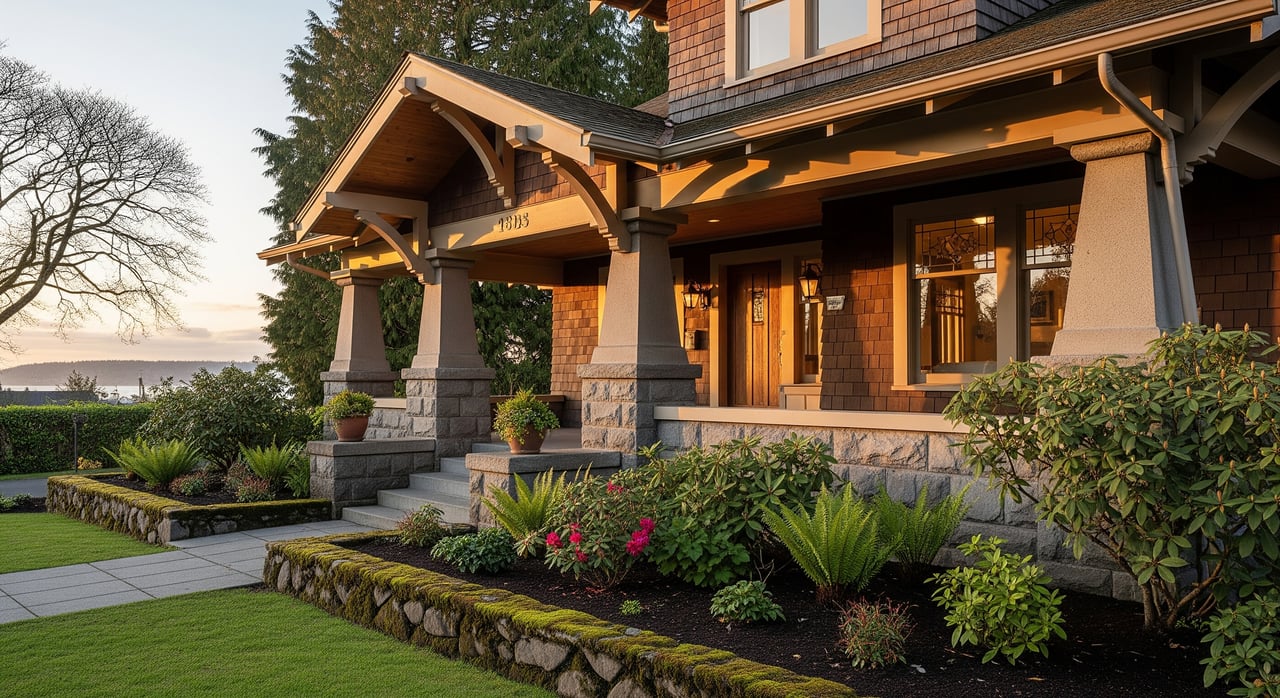
Thinking about buying or stewarding a historic home in North Tacoma? You are not alone. The North End’s Craftsman porches, Queen Anne turrets, and classic bungalows inspire buyers who value design, detail, and story. This guide helps you understand how historic designations work here, what review processes look like, and which upgrades protect provenance while appealing to today’s buyers. Let’s dive in.
Historic designations explained
North Tacoma homes can be recognized at the local and national levels, and the rules differ by designation. Knowing which programs apply to your address helps you plan projects and resale.
Local landmarks
Local landmark status is administered through the City of Tacoma’s preservation program and Landmarks Preservation Commission. This is often the most impactful designation for you as an owner. Exterior changes, additions, demolitions, and relocations typically require review and approval. Eligibility is based on architectural significance, integrity, and historical associations.
Local historic districts
A historic district covers a defined area with many significant properties. In a district, changes visible from public streets usually require design review, and demolition is closely reviewed. Standards can be more detailed than for individual landmarks, depending on city code and neighborhood guidelines.
National Register listings
The National Register of Historic Places is a federal recognition program managed with Washington’s State Historic Preservation Office. For privately owned homes, NRHP listing is primarily honorary. It does not restrict your private projects unless federal funds, permits, or licenses are involved. It can support planning and may open doors to certain incentives, especially for income‑producing properties.
Conservation overlays
Some cities use conservation districts or overlays to preserve neighborhood character with more flexibility than a strict historic district. Local terminology varies, so confirm current Tacoma categories with the City’s preservation staff before you start work.
How designations interact
A single property can carry more than one designation. For example, a home can be both a local landmark and listed in the National Register. In practice, local designation drives the municipal permit and design review you experience day to day. National Register recognition helps with funding eligibility and adds credibility in marketing, but it is not the primary regulator for private work.
Review process in Tacoma
If you plan a project on a designated property or within a district, expect a clear sequence. Early conversations with preservation staff can save time and money.
Getting designated
- Identification and research: document the property’s history, design, and integrity with photos.
- Nomination: submit an application with narrative, maps, and images. Owners, neighborhood groups, or city staff can initiate.
- Staff review: preservation staff check completeness and eligibility.
- Public hearing and decision: the Landmarks or Preservation Commission holds a hearing and issues a recommendation. City Council may take final action for some designations. Appeals are typically available.
Approvals for changes
- When review is triggered: exterior work visible from public streets, additions, demolitions, relocations, new construction on the lot, and sometimes notable site or landscape changes.
- What you submit: plans, elevations, materials, and a short narrative showing how your design meets the applicable standards and guidelines.
- How it is evaluated: many commissions use the Secretary of the Interior’s Standards for Rehabilitation, adapted to local neighborhood context. Minor work may be approved administratively. Major changes may require a public meeting.
Timing and enforcement
Plan ahead. Administrative reviews can take a few weeks. Projects needing public hearings may take a few months due to notice and scheduling. Unpermitted or non‑approved changes can lead to notices of violation, required removal or correction, fines, and delays on future permits. When in doubt, ask preservation staff before you start.
Preservation‑minded upgrades buyers love
Great preservation protects character while delivering comfort, safety, and efficiency. The best projects respect original materials and patterns and keep changes reversible when possible.
Systems and safety first
- HVAC and mechanical: air‑source heat pumps or minisplits offer strong efficiency with a small footprint. Place condensers in rear or screened areas.
- Electrical and plumbing: bring systems to code while protecting historic finishes. Site meters and panels in less visible locations.
- Structure and envelope: foundation stabilization, roof repair, flashing, and drainage are top priorities and usually well‑supported in reviews.
Windows and doors
- Repair original sash, hardware, and glazing when feasible. Add interior or exterior storms to boost performance without losing character.
- Replace only when beyond repair, and match original profiles, muntin patterns, and operation.
- Preserve entry doors and trim that define the façade.
Exterior materials and masonry
- Use in‑kind repairs for wood siding and shingles, matching the original profile.
- For masonry, repoint with compatible mortar that matches color, joint profile, and tooling. Avoid mixes that are harder than the original brick or stone.
- Be cautious with synthetic claddings that change the look and rhythm of the façade.
Additions and new structures
- Keep additions subordinate in size and set back from the primary façade. Use materials and forms that are compatible yet distinguishable on close inspection.
- For garages and ADUs, follow neighborhood scale and roof forms, and favor secondary locations that minimize impact on the street view.
Energy efficiency that fits
- Start with air sealing, attic and underfloor insulation, and weatherstripping for the best returns with minimal visual change.
- Interior storm windows are a strong balance of preservation and performance.
- Solar can be acceptable when placed on nonprimary roof slopes, rear roof faces, and mounted flush to reduce visibility. Early staff input helps.
Accessibility and site
- Thoughtful ramps or lifts can be integrated at secondary elevations or within non‑character areas.
- Preserve site features such as walkways, fences, and mature trees. New landscaping should echo historic lot patterns and plant palettes where practical.
Document and make work reversible
- Keep before and after photos, contractor receipts, and a simple preservation log. Good records help with incentives and help buyers appreciate quality work.
- Favor reversible solutions, such as removable storm sash and noninvasive mounts, to keep future options open.
Incentives and programs to explore
- Washington State Special Valuation: a property tax program that can reduce tax increases tied to qualified rehabilitation on designated historic properties. Rules and applications run through the state and local governments.
- Federal Historic Rehabilitation Tax Credit: a 20 percent credit for qualified rehabilitation of income‑producing historic buildings listed in the National Register or contributing to a registered district. It does not apply to owner‑occupied single‑family residences.
- Grants and low‑interest loans: local programs vary by year and may support façades or urgent repairs. Nonprofits sometimes offer technical help.
- Preservation easements: donating an easement can protect key features and may carry tax benefits. This path requires specialized legal and tax advice.
- Energy rebates: utilities and state programs often provide incentives for heat pumps, insulation, and efficient equipment, which align well with preservation‑minded upgrades.
Most incentives require documentation and pre‑approval before work begins. Confirm current terms with the City of Tacoma’s Historic Preservation Office and Washington’s Department of Archaeology and Historic Preservation, and consult your tax advisor.
North End market insights
North End and Proctor‑area buyers often value authentic materials, original trim, built‑ins, and porches, paired with modern systems and smart efficiency. Thoughtful updates that respect scale and detail can command stronger interest and pricing.
- Showcase designation and provenance: note any local landmark or National Register status and include brief history, architect names, and construction dates when known.
- Present approvals and permits: Certificates of Appropriateness, permits, and inspection sign‑offs give buyers confidence and reduce future compliance questions.
- Address comfort and cost: share records of insulation, HVAC, and envelope work, and provide utility snapshots when available.
- Provide a maintenance dossier: include photos, contractor notes, and material specs for roofing, paint cycles, and masonry. Clear documentation supports value.
Your next steps
- Confirm status: ask the City of Tacoma’s Historic Preservation Office about your property and any district boundaries. Check state inventories for National Register listings.
- Start early: schedule a pre‑application conversation before you design. You will get clarity on thresholds, standards, and timelines.
- Plan scope in phases: tackle safety and weatherproofing first, then efficiency, then finishes. This sequence helps approvals and budgets.
- Assemble the team: consider a historic architect or contractor with preservation experience for realistic costs and timelines.
- Keep records: maintain a simple project binder with photos, receipts, permits, and approvals. It pays off at resale.
If you are considering the purchase or sale of a historic North Tacoma home, our team specializes in marketing distinctive properties with refined storytelling and preservation‑sensitive guidance. For a private, tailored plan, connect with Morrison House Sotheby’s International Realty®. Request a private consultation.
FAQs
How do I know if my North Tacoma home is designated?
- Start with the City of Tacoma’s Historic Preservation Office, then check state inventories and local neighborhood associations for district or National Register status.
Does designation stop me from remodeling my house?
- Local designation typically triggers exterior design review, while many interior upgrades and routine maintenance are allowed; major exterior work often needs approval.
What projects usually need preservation review in Tacoma?
- Exterior changes visible from public streets, additions, demolitions, relocations, new construction on the lot, and some significant site or landscape work.
Which upgrades do buyers value most in historic homes?
- Preserved original features, documented energy improvements, updated HVAC, electrical and plumbing, and kitchens and baths designed to complement the home’s era.
Are there tax incentives for historic home projects?
- Washington’s Special Valuation may reduce tax increases tied to qualified rehabilitation, and federal credits can apply to income‑producing historic buildings; confirm current rules before starting work.